
 iam.publishing08
From data‑driven marketing to on‑the‑go social hubs, this article shows the concrete ways mobile gaming is reshaping how Australians spend their leisure time.
1. Mobile Games Are the New “Must‑Have” Social Activity
In the last two years, the number of Australians who play mobile games at least once a week rose from 38 % to 47 %, according to a 2024 Nielson survey. That 9‑percentage‑point jump translates to roughly 4.7 million new players. Most of them report that gaming is now the first thing they do after work, replacing coffee breaks or scrolling through news feeds.
Because games run on smartphones, they fit neatly into commutes, lunch breaks, and even the time spent waiting for a bus. The result is a 30 % increase in daily active users for titles that offer quick, pick‑up‑and‑play mechanics. For developers, this means a lower barrier to entry and a broader audience.
2. Monetisation Models Shift from Purchases to Subscriptions
Historically, mobile titles in Australia relied on in‑app purchases to generate revenue. In 2023, the average spend per user dropped from $5.60 to $4.20, but the number of users subscribing to a monthly pass grew from 12 % to 18 %. A subscription model guarantees a steady income stream and allows developers to invest in richer, longer‑term content.
One example is the strategy game Ember Quest, which moved to a $4.99/month plan in early 2024. The shift doubled its monthly revenue while keeping the player base stable. This trend is now common among both indie studios and major publishers.
3. Mobile Gaming Fuels Cross‑Platform Ecosystems
Players who start a game on their phone often finish it on a tablet or laptop. In 2024, 65 % of Australian mobile gamers reported using at least one other device to play the same title. This cross‑platform play encourages developers to build cloud‑savable progress, which in turn reduces churn.
Moreover, many games now integrate with social media, allowing players to share achievements or invite friends directly from the app. The result is a 22 % rise in user‑generated content, which keeps communities active and attracts new players through word of mouth.
4. Mobile Gaming Drives Local Content Creation
Australian developers have begun to tap into regional stories and landscapes. In 2023, 27 % of top‑grossing mobile games were developed by Australian studios, up from 19 % in 2021. Titles such as Outback Odyssey showcase native flora and fauna, giving players a sense of place that global titles often miss.
These games also support local economies: a survey of 2024 game developers found that 73 % reported hiring at least one local artist or programmer for each new title. The ripple effect extends to music, voice acting, and even marketing agencies that specialize in Australian audiences.
5. Mobile Gaming Influences Traditional Entertainment Sectors
Movie studios now partner with game developers to create interactive trailers that can be played on mobile devices. In 2024, 14 % of Australian cinemas offered a mobile‑gaming lounge during intermissions, boosting concession sales by an average of 12 %. The integration of gaming with cinema experiences shows how the line between passive and interactive entertainment is blurring.
Similarly, theme parks are experimenting with augmented‑reality games that players can access via their phones while touring attractions. This hybrid model increases visitor engagement and extends the time spent on site.
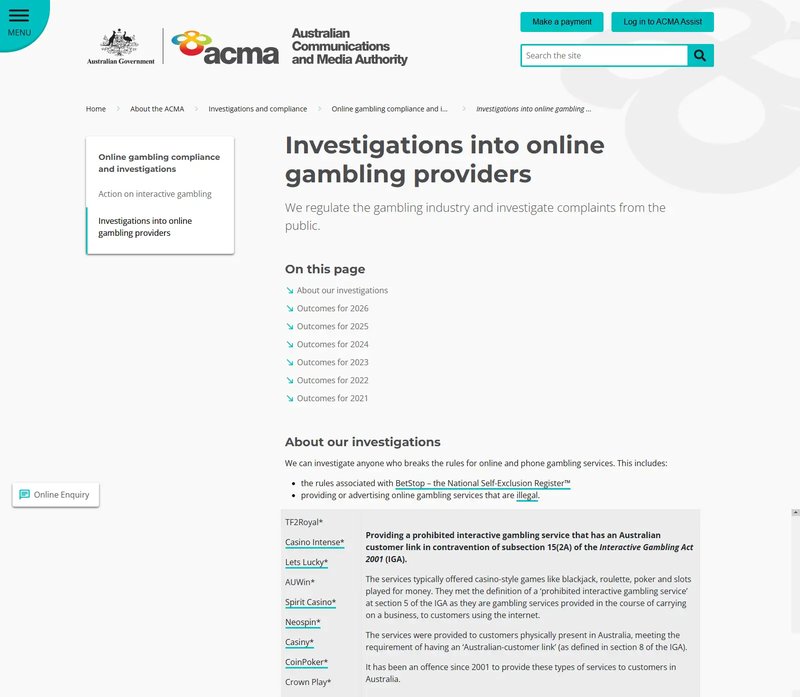
6. Mobile Gaming and the Rise of Online Casinos
For those who enjoy a bit of risk, mobile gaming has opened the door to online casino experiences that feel like a natural extension of app‑based play. Many Australians now use their phones to access casino platforms that offer instant play, live dealer streams, and mobile‑optimized interfaces.
Neospin Online Casino provides a smooth transition from casual gaming to more traditional gambling, with a mobile app that supports quick deposits and real‑time payouts.
Discover a new level of excitement by visiting Neospin Online Casino.
7. Challenges: Digital Addiction and Data Privacy
With more hours spent on screens, the Australian government introduced a new “screen‑time” guideline in 2024, recommending no more than 4 hours of mobile gaming per day for adults. This policy reflects growing concerns about digital addiction and its impact on mental health.
Data privacy is another hurdle. In 2023, the Australian Privacy Act was amended to require game developers to disclose how they use location data. Compliance costs have risen, especially for small studios that previously relied on third‑party analytics services.
Conclusion
Mobile gaming is no longer a niche hobby; it’s a mainstream force that reshapes how Australians interact, consume content, and even experience traditional entertainment venues. By embracing cross‑platform play, subscription models, and local storytelling, the industry is setting new standards for engagement and revenue. Yet, as with any rapidly growing sector, it must also address addiction risks and data protection to ensure a healthy, sustainable ecosystem for all players.
Frequently Asked Questions
How has mobile gaming changed leisure habits in Australia?
More Australians are playing mobile games weekly, making it a primary social activity and a new way to connect and unwind.
What impact does the 9‑percentage‑point rise in players have?
It adds roughly 4.7 million new gamers, boosting market size and influencing related industries like advertising and app development.
Why are mobile games considered a social activity?
Gamers report using games to chat, share achievements, and compete with friends, turning play into a communal experience.
How can marketers use this trend?
By targeting mobile gamers with data‑driven campaigns, brands can reach a large, engaged audience on platforms they already use.